Our Approach
Balanced agronomy, practical execution, proven outcomes.
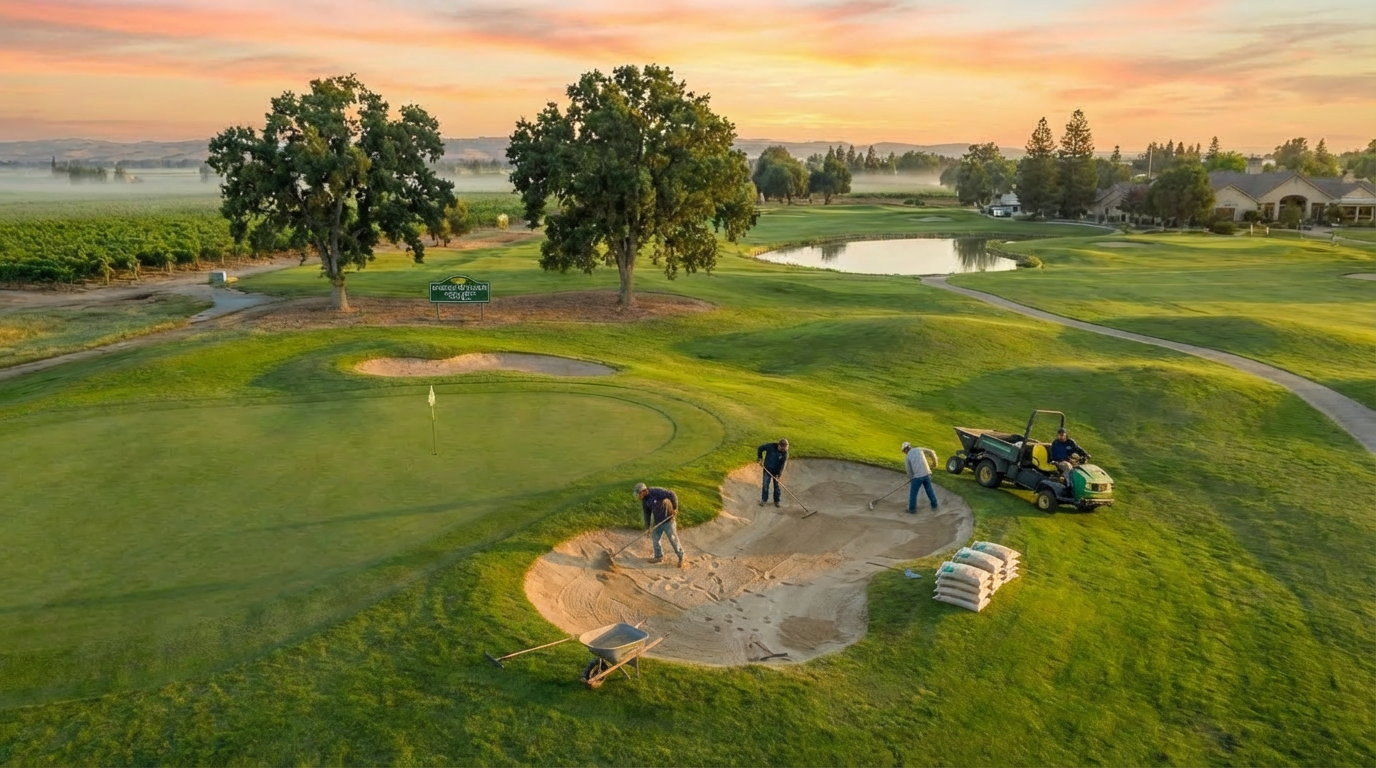
Our approach is straightforward: understand the course, identify the challenges, and build solutions on the ground that actually work. We begin by spending time on the property, observing turf conditions, soil profiles, irrigation performance, and day-to-day maintenance practices. By looking beyond surface symptoms, we identify the root causes behind issues such as inconsistent greens, drainage failures, turf decline, or recurring disease pressure, ensuring solutions address the real problem rather than just the appearance.
From there, we develop practical, site-specific strategies that align with each course’s resources, staff, and long-term goals. Whether through refined cultural practices, targeted agronomic programs, or focused construction and renovation work, every recommendation is designed to be achievable and sustainable. Results are measured, adjusted, and refined over time, with clear before-and-after outcomes that demonstrate lasting improvements in turf health, playability, and overall course performance.
Real Challenges. Real Results.
Every course has problem areas that impact playability, turf health, and revenue. The examples below show how targeted, on-the-ground solutions transformed struggling areas into consistent, playable surfaces. By focusing on practical execution and working with the resources already in place, these projects delivered measurable improvements that held up over time.
Turning Failing Greens into Revenue-Driving Surfaces
When we arrived, the greens were thin, stressed, and unplayable. Instead of starting from scratch, we identified unused products already on hand and paired them with the course’s existing infrastructure to build a focused recovery plan. With two crew members dedicated to site-specific agronomic practices, turf response was visible within one month. After three months of continued applications, the greens fully recovered, restoring play and increasing course revenue from $2K per month to $50K per month.
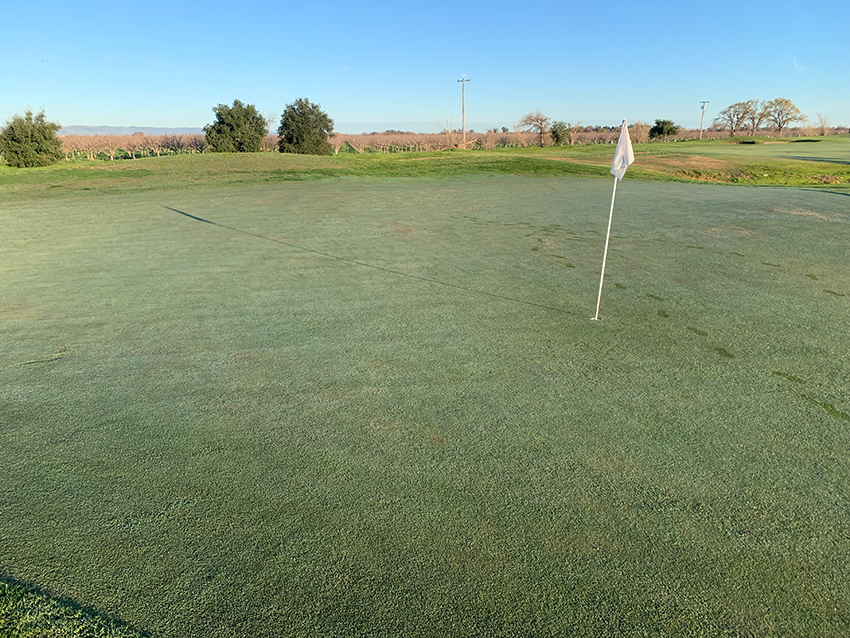
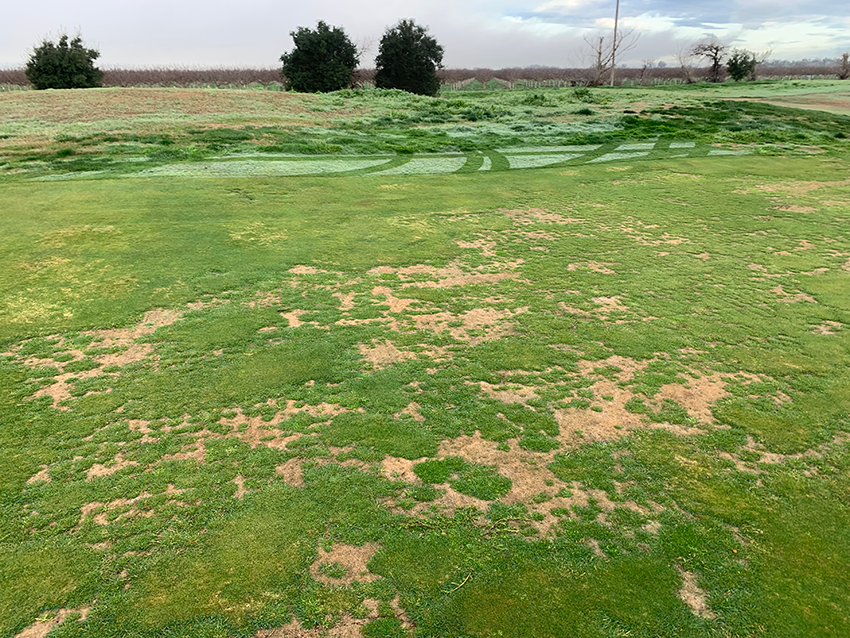
Before and After Approx. One Month
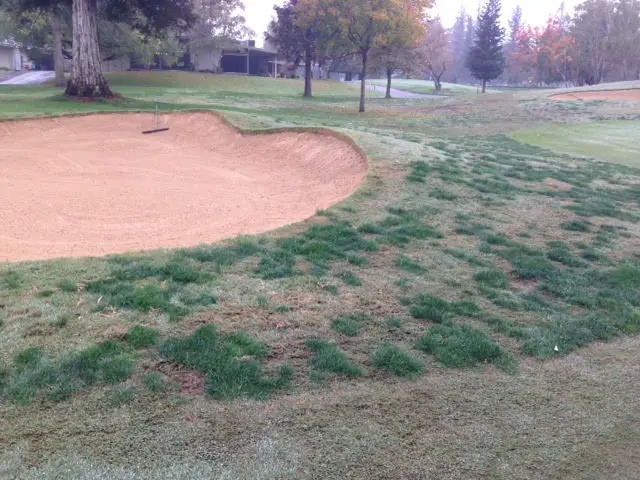
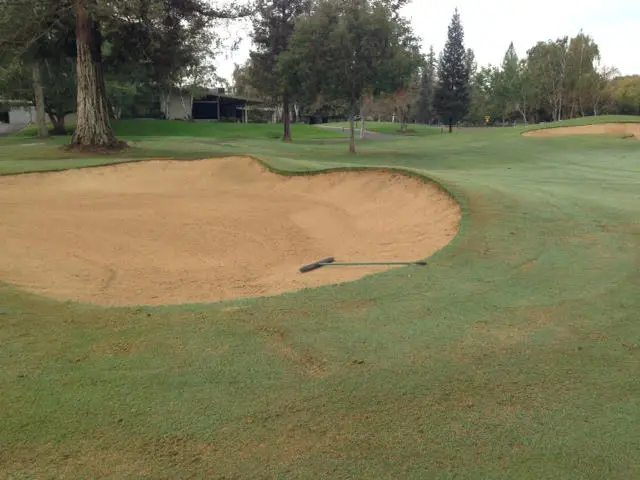
Bringing Neglected Bunkers Back Into Play
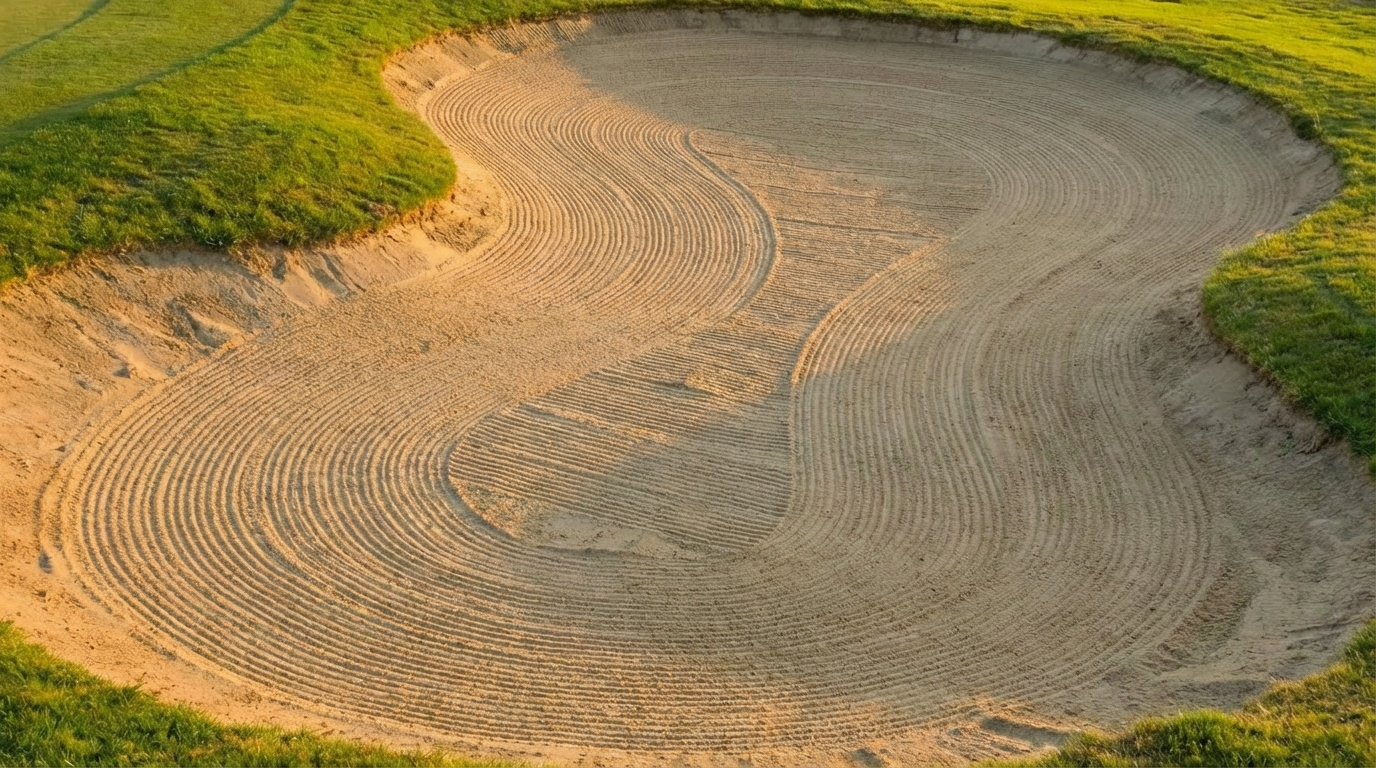
These bunkers had been left unmanaged for over a year, allowing weeds and invasive grasses to overtake playable surfaces. Rather than replace materials, we identified unused sand and products already on site and paired them with the course’s existing equipment. By dedicating two crew members to targeted removal and restoration work, we stripped out unwanted species and rebuilt bunker surfaces. Within one month, all targeted bunkers were fully restored and returned to play, improving both course conditions and player experience.
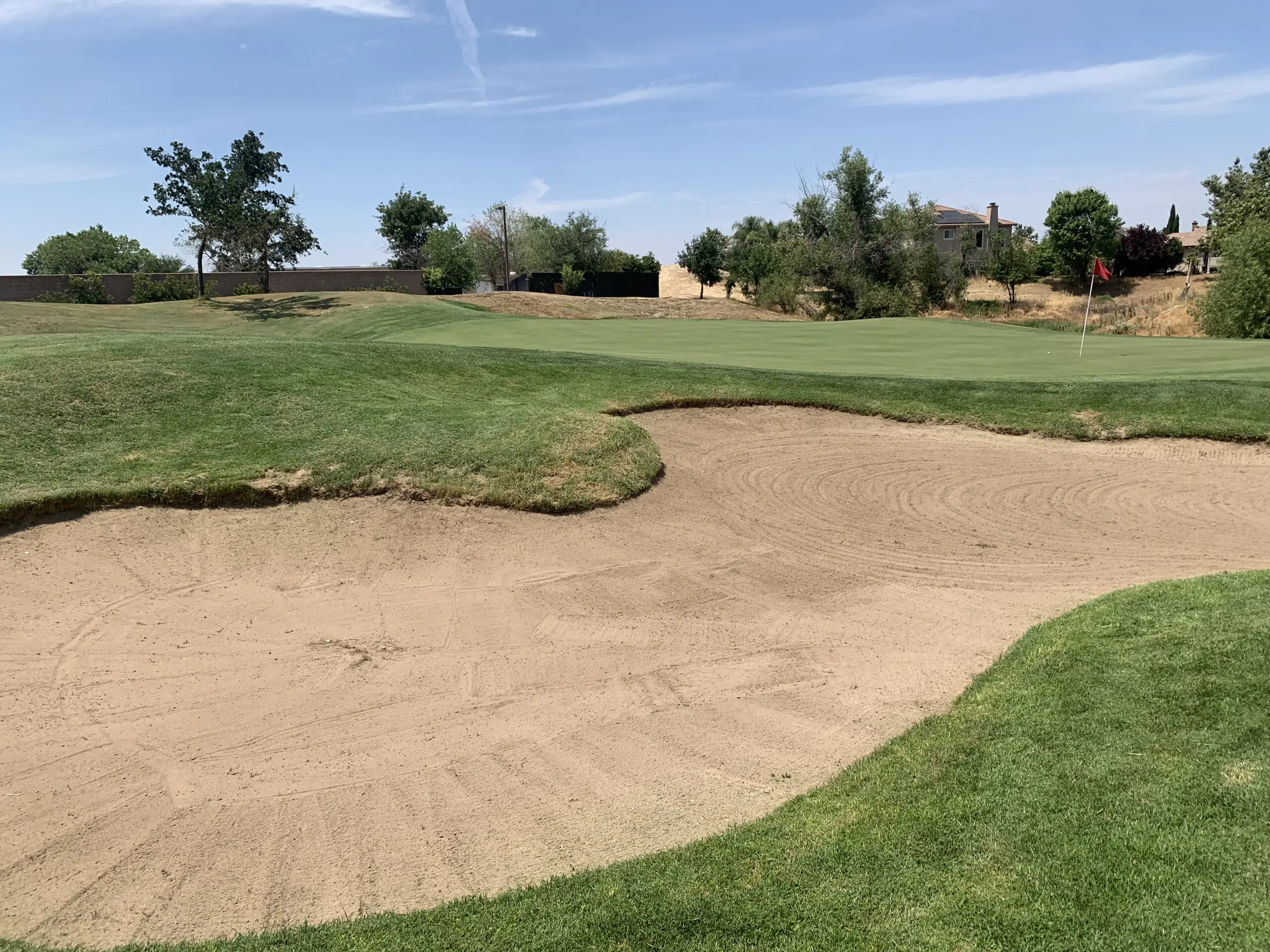
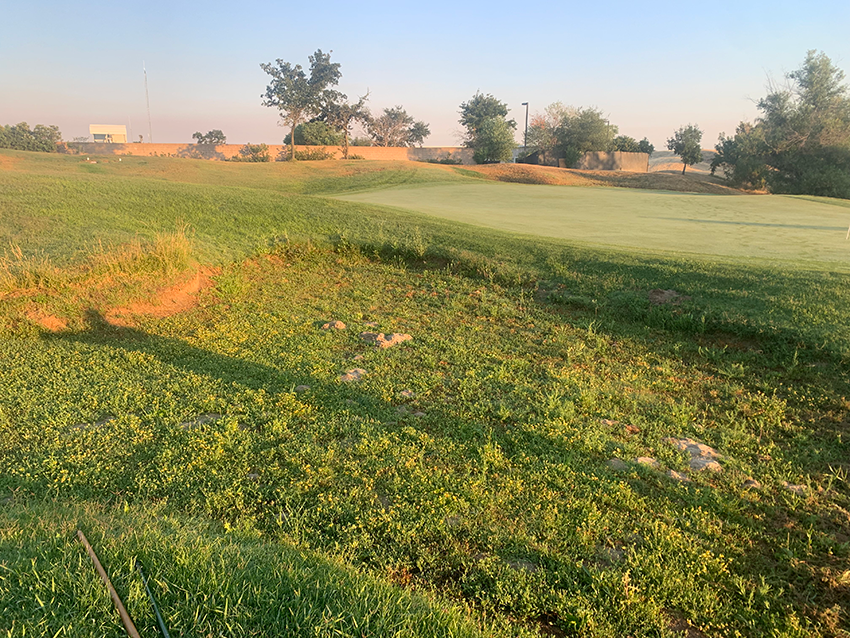
Before and After
Modernizing Irrigation Without the Massive Price Tag
The irrigation system at this course was more than thirty years old and lacked single-head control around the greens, resulting in excessive water use and overly wet playing surfaces during summer. Instead of outsourcing a full system replacement at a projected cost of $25K per green, we developed a site-specific design and handled construction in-house. By strategically allocating labor and working within the existing system, we delivered precise irrigation control while reducing project costs by more than 50 percent, improving both turf performance and water efficiency.
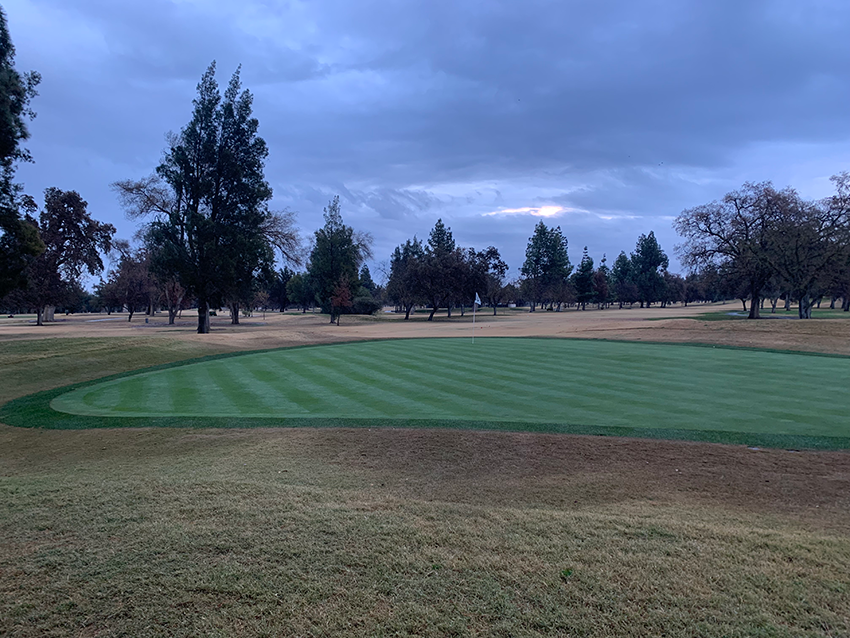
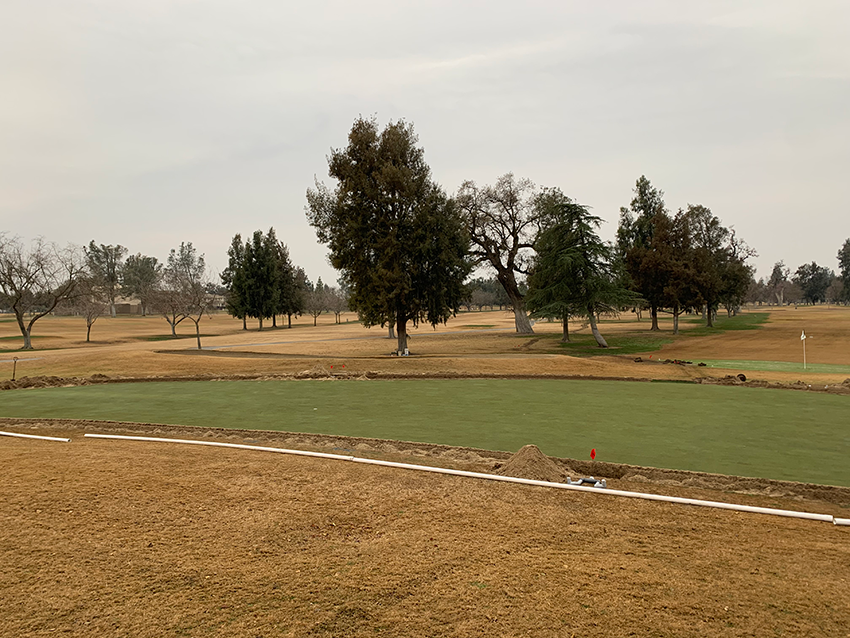
Before and After Approx. One Month
Enhancing Tree Health Through Better Treewell Management
This treewell enhancement focused on clearly separating turf and trees so each could thrive without competing for the same water and nutrients. By allowing trees to establish natural mulch beds from shed organic material, weed pressure was reduced and irrigation demands around the basins were minimized. The result was healthier trees, less maintained turf, and measurable reductions in irrigation and mowing time across the course.
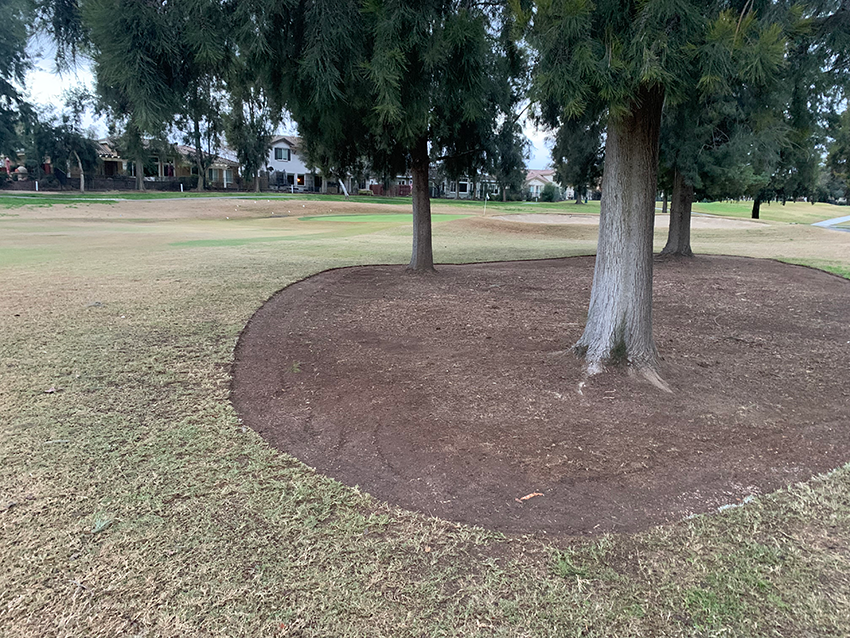
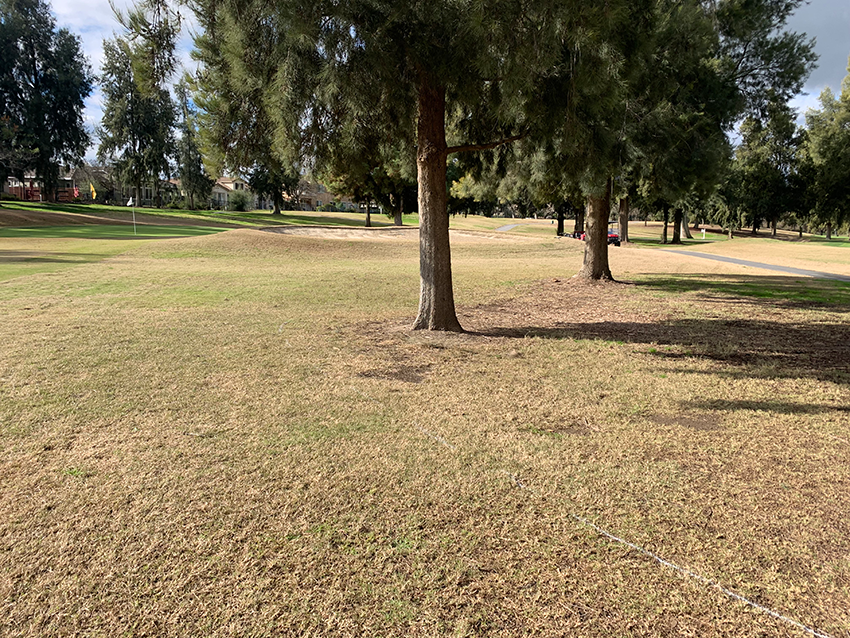
Before and After
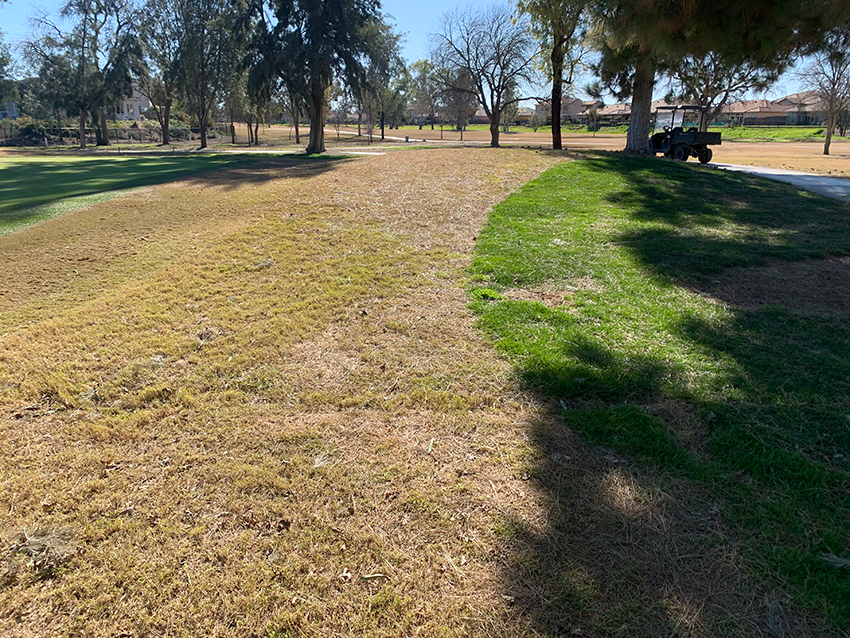
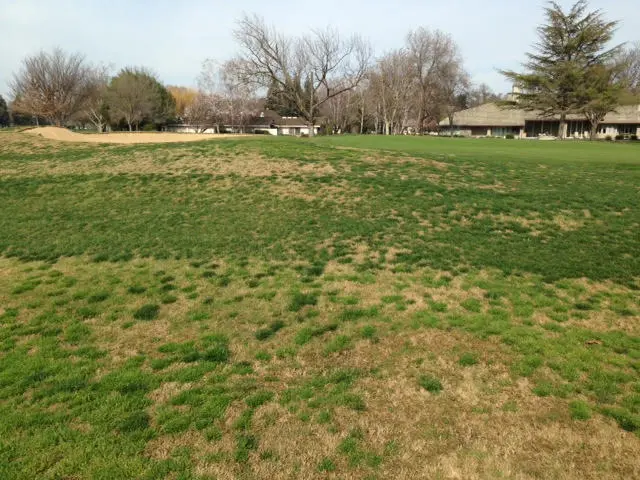
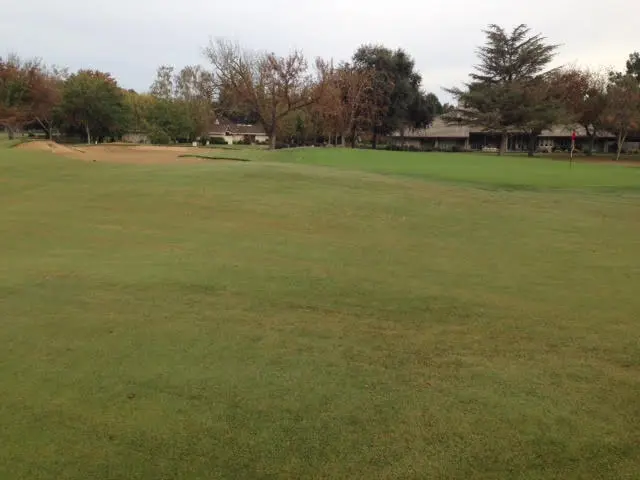
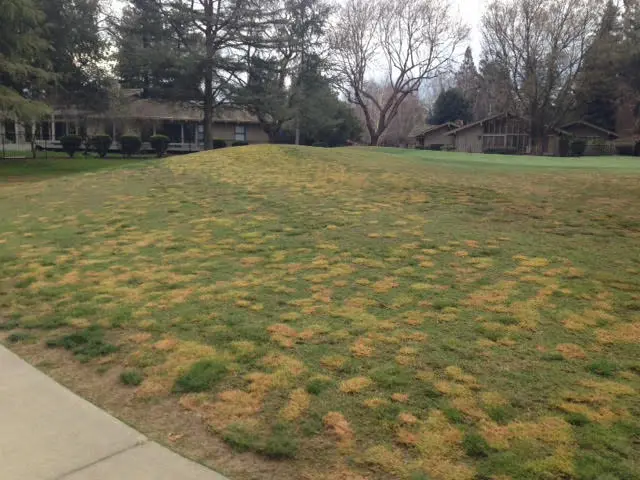
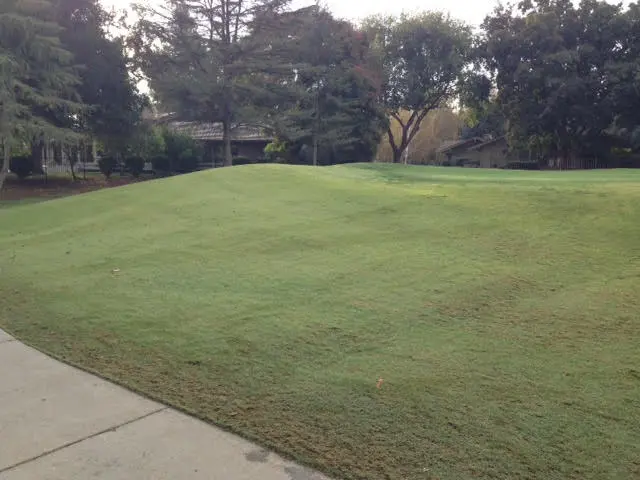
Restoring Consistency to High-Profile Turf Areas
High-profile areas around the greens showed only 10 to 20 percent turf uniformity, resulting in uneven aesthetics and inconsistent playing conditions. By carefully timing area-specific herbicide applications with weather patterns and following through with proper transition practices, we guided these areas to 95 to 100 percent turf uniformity within three months. Converting to a single turf species also simplified maintenance, reducing irrigation needs by 40 percent and fertilizer inputs by 50 percent during peak summer months.
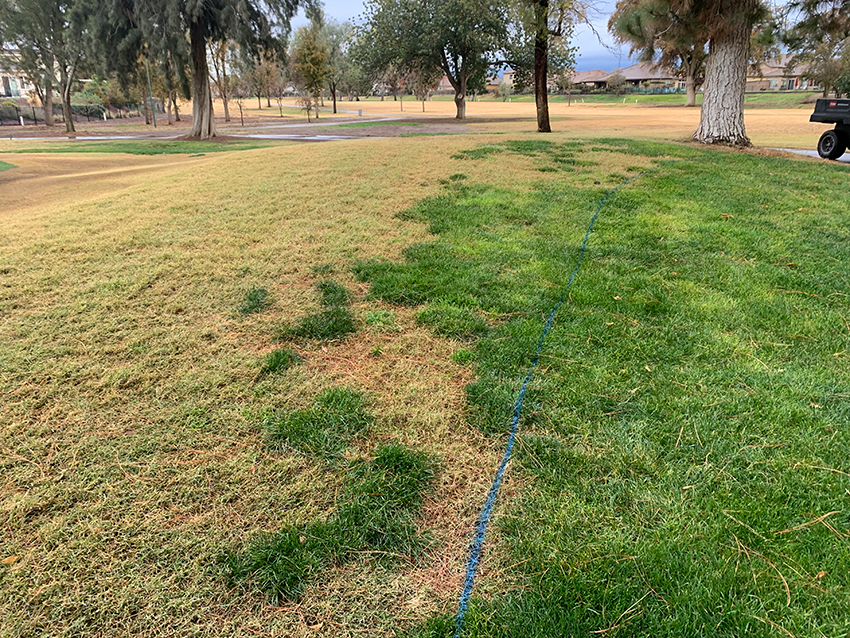
Before:
After:
Before:
After:
Before:
After:
Before:
After:

Why Choose Us
California Rebel takes a practical, on-the-ground approach to course improvement. We focus on understanding how your course actually operates, identifying root causes, and implementing solutions that fit your conditions, staff, and budget. The result is healthier turf, improved playability, and measurable gains that hold up over time.
REQUEST A COURSE REVIEW